

Parlamenter sisteme göre; Bir ülkede bakanlar kurulu parlamentonun onayı ile iş başına
geçiyorsa yani yürütme yasamanın içinden doğuyorsa orada parlamenter sistem vardır.
Yarı Başkanlık sistemine göre; Yürütme gücü halk tarafından seçilen devlet başkanı ile
meclis güvenine dayanan hükûmet başkanı arasında paylaşılır. Fiili olarak ise yürütmenin başı
devlet başkanındadır.
İngiltere’de parlamenter sistemin uygulanması
Tecrübeye ve uygulanabilirliğe dayalı olarak uzun yüzyıllarda gelişen bir yapı olan birleşik
krallık siyasal sistemi, cumhuriyet olmayan bir demokrasi örneğidir.
Birleşik krallık ile ilgili olarak sıklıkla dile getirilen en temel özellik yazılı bir anayasaya
sahip olmama ve bu durumdan kaynaklanan esnekliğin varlığıdır. Birleşik krallıkta devlet
kuruluşlarının yapısı ve yetkileri ile vatandaşların haklarını belirleyen ve yazılı olarak kaleme
alınan tek bir kaynağın varlığından ziyade; farklı zamanlarda oluşan ve oluşmaya devam
edene pek çok yazılı kaynakla birlikte, uzun yıllardır uygulanan ancak yazılı kural altına
alınmamış örf ve adetlerin de anayasa statüsünde korunması vardır. Parlamento resmi olarak
uymak zorunda olmadığı bu kurallara teamül olarak uyar. Birleşik krallık siyasal sisteminin
en temel özelliği rejimin parlamento egemenliğine dayanmasıdır. İki meclisli olarak varlığını
sürdüren parlamentoda, avam kamarası siyasal egemenliğin kullanıcısıdır. Avam
kamarası, tarihsel gelişim içinde, doğuştan kazanılan ayrıcalıklar temelinde şekillenen ikinci
meclis aleyhine yasama yetkilerini genişletmiştir. Meşruiyetini genel oy ilkesine dayalı
demokratik seçimlerden alır. Hükümet avam kamarası içinden çıkar. Dolayısıyla sert
kuvvetler ayrılığı söz konusu değildir. Başbakan ve kabine parlamentoya karşı hem bireysel
hem de ortaklaşa, istisnai bazı durumlar hariç sorumludur. Yani parlamento tarafından
görevlerine son verilebilir. Ancak bu yetki, genellikle çoğunluk hükümeti çıkaran birleşik
krallık siyasal sisteminde çoğunlukla işlevsiz durumdadır.
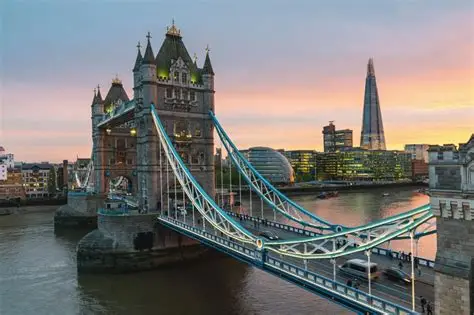
Anayasal özellik olarak birleşik krallık üniter bir yapıya sahiptir. Ancak üniter sistem
içerisinde yönetsel birim olarak yerel idarelere ve 1997’den beri yerel parlamento ve
meclislere merkezden yetki devri söz konusudur. Ancak bu durum devletin üniter niteliğini
değiştirmez. Yerel yönetimler önemli işlevler yerine getirmekle beraber; merkezi hükümete
bağlıdırlar. Mali özerklikleri olmadığı gibi yetkileri anayasal garanti altına alınmış da değildir.
Bölgesel parlamentolara yetki devri de anayasal olmaktan ziyade, siyasal bir durumdur. Yani
Amerika Birleşik Devletleri örneğindeki federal sistemlerdeki gibi federal devlet ile federe devletleri karşılıklı olarak bağlayan anayasal bir kural değildir. Birleşik krallıkta yüksek
mahkeme görevi, 2009 yılına kadar lordlar kamarasına aitti.
Bu tarihten sonra ise lordlar kamarasından ayrı bir yüksek mahkeme oluşturulmuştur. Ancak
yargının hükümetten tam bağımsız olarak çalışmasını sağlayacak olan yüksek mahkemenin,
birleşik krallığın, anlattığımız siyasi özellikleri nedeniyle pratikte bir anayasa mahkemesi gibi
görev icra etmesi mümkün gözükmemektedir. Birleşik krallık anayasal monarşisinde
hükümdarın yürütme gücü ortadan kalkmakla beraber sembolik olarak bazı rollere
sahiptir. Monarşi, devleti ve onun birliğini temsil eder. Aynı zamanda kilisenin başı ve silahlı
kuvvetlerin başkomutanıdır. Ancak hükümdar kanun yapamaz, vergi toplayamaz, kamu
kaynaklarını harcayamaz. Parlamentonun kendisine resmi görevlerinden dolayı tahsil ettiği
bütçeyi harcar ve kişisel servetinden dolayı vergi öder.
Görüldüğü gibi birleşik krallık siyasal sistemi içinde taç’ın temsil ettiği güç parlamenter
sistemlerdeki sembolik devlet başkanlığına karşılık gelir. Yürütmenin başıdır ancak
parlamentoya karşı bireysel ve ortak siyasal sorumluluk hükümdara ait değildir. Gerçek
siyasal yetkiyi elinde bulunduran başbakan ve kabinesine aittir.
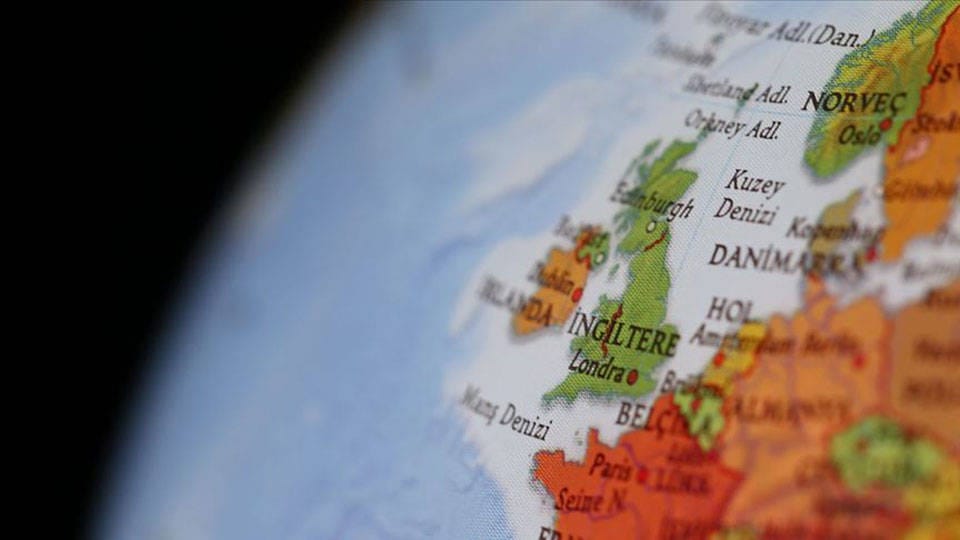
Birleşik krallık siyasal sisteminde en önemli ve en güçlü siyasi kurum kabine, en güçlü
figürün de başbakan olduğu söylenebilir. Bunun temel nedeninin uygulanan seçim sisteminin
dar bölgede çoğunluk esasına dayanması ve bu nedenle çoğunlukla tek parti hükümetlerine
yol açmasıdır. Sıkı parti disiplini de buna eklenince yasama-yürütme ayrılığının yerini
çoğunluk hükümetinde kuvvetler birliği almaktadır.
Parlamento egemenliği doktrinine dayalı birleşik krallık ’ta parti-hükümeti sisteminin
içselleştirdiği güçlü kabine, güçlü başbakan olgusunun seçilmiş diktatörler üretmemesinin
kökenleri arasında güçlü bir sivil toplumun varlığı gösterilebilir. Birleşik krallık ’ta çıkar ve
baskı grupları devletten/hükümetten bağımsız olarak yüzyıllardır faaliyet göstermektedir.
Siyasi yelpazenin solunda veya sağında iyi örgütlenmiş, faaliyet gösterdiği alanı iyi tanıyan
siyasi ve bürokratik karar alıcılarla kurumsallaşmış ilişkiler oluşturan çok sayıda çıkar ve
baskı grubu vardır.
Yarı başkanlık Sistemi’nin Fransa’da uygulanması ise
Fransız siyasal sistemi incelediğimizde, Fransa’nın uzun ve birçok değişik uygulamayı
içeren son birkaç asırlık siyasal tecrübenin etkisiyle şekillendiği söylenebilir. Bu
bağlamda Fransa’da 1789 ihtilalinden bu yana yaşanmış on beş anayasal rejim olduğu
belirtilmelidir.
Fransa tarihindeki bu rejimler; mutlakiyet, anayasal monarşi, parlamenter cumhuriyet ve yarı
başkanlık gibi çeşitli tiplerde ortaya çıkmıştır.
1789’dan günümüze çeşitli anayasal deneyimler yaşayan ülkede 1958 yılından bu yana 5.
Cumhuriyet anayasası yürürlüktedir.
Cumhuriyet Anayasası’na (1958) bakıldığında dikkati çeken özellikler olarak;
Güçler ayrılığının varlığı,
Güçlü bir yürütmenin tesisi ve
Âdem-i merkeziyetçiliğe kayan bir üniter devlet yapılanmasının varlığı gösterilebilir.
Fransa’da parlamento iki meclisi bir yapıyı ifade eder. Bu yapılar; diğerine göre daha fazla
yetkiyle donatılmış olan halk tarafından seçilen vekillerden oluşan millet meclisi ve daha çok
yerel yönetimleri temsil eden Senato’dur.
Yasama organlarından ilki olan millet Meclisi’ne seçilebilme yaşı 23, seçmen yaşı ise 18’dir.
Millet meclisi üyeleri genel oyla, tek adaylı, tek dereceli ve iki turlu çoğunluk esasına
dayanan seçimlerle beş yıllık süre için seçilmektedir. Fransa’da yedek milletvekilliği
uygulaması bulunmaktadır. Seçmenler, bir adaya oy verdiklerinde onun yedeğini de seçmiş
olurlar. Fransa’da bakanların milletvekilliği (aynı anda hem milletvekili hem bakan
olunamaz.) Düştüğünde ya da başka bir sebeple bir milletvekilinin koltuğu boşaldığında
yedek milletvekili, onun yerini alır.
Seçimlerde bir adayın ilk turda seçilebilmesi için salt çoğunluğu elde etmesi gerekir. İlk
turda bu şartı sağlayan aday çıkmazsa, ikinci tur seçimler yapılır. İkinci tura, birinci turda
geçerli oyların %12,5’unu alan adaylar katılır ve herhangi bir çoğunluk ve baraj olmaksızın en
fazla oyu alan aday seçilmiş sayılır. Seçimlerin iki turlu çoğunluk sistemine göre yapılması
siyasal aktörleri yakınlaşmaya, kaynaşmaya ve uzlaşmaya itmektedir. Bu
durumun müzakereci bir demokrasi anlayışını geliştirdiği söylenebilir.
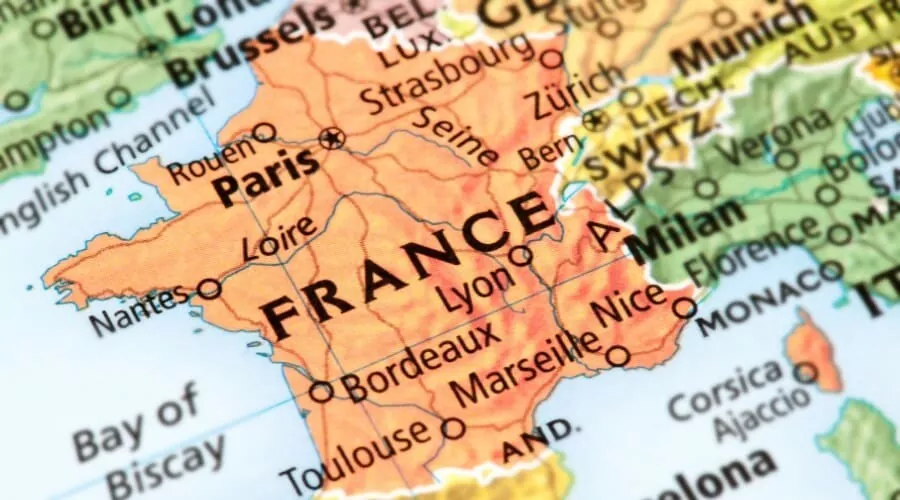
Fransa’da milletvekilliği seçimleriyle ilgili olarak vurgulanması gereken önemli bir diğer
nokta, seçimlerin dürüstlüğü ve açıklığını korumak amaçlı olarak seçim kampanyalarında
kullanılan finansmanın sınırlandırılmasıdır.
Ayrıca adaylar seçimlerde %5 oy almaları halinde de yapmış oldukları seçim harcamalarının
belli bir bölümünü hazineden alabilmektedir.
Fransa’da yasaların anayasaya uygunluğunu denetleyen makam anayasa Konseyi’dir.
Cumhurbaşkanı, senato ve milli meclis Başkanı’nın üçer üye atadığı anayasa komisyonunda
üyelik dokuz yılla sınırlıdır. Ancak eski cumhurbaşkanları, yaşam boyu üye statüsünde
anayasa Konseyi’ne atanabilirler. Anayasa konseyine başvuruda yetkili kişiler;
cumhurbaşkanı, başbakan, parlamento başkanları, 60 senatör veya milletvekilidir.
Fransa’da bir tür rasyonelleştirilmiş parlamentarizmden söz edilebilir. Bu doğrultuda
yürütme organı güçlendirilmek istenmiş ve bununla ilgili olarak bir yandan yasama alanındaki
birçok yetki yürütmeye devredilerek parlamentonun yasama alanı daraltılırken; diğer yandan
da yasamanın yürütmeyi denetleme gücü azaltılmıştır.
Fransa’da yasama alanının anayasa tarafından sınırlandığını belirtmekte fayda vardır. Bu
bağlamda Anayasa’da belirtilen alanlar dışında kalan konular yürütmenin tekelindedir ve
yürütmenin düzenleme yetkisine girmektedir. Fransa’da 1958’den itibaren güçlü bir yürütme
yaratma düşüncesiyle hareket edilmiş, parlamentonun denetleme fonksiyonları oldukça
azaltılmıştır. Yürütmenin asıl yetkili kanadı olan cumhurbaşkanına karşı yasamanın bir
denetleme mekanizması bulunmamaktadır.
Fransız siyasal sistemini diğer sistemlerden ayıran en belirgin özelliklerden biri de
yürütmenin etkili kanadı olan cumhurbaşkanının halk tarafından seçilmesidir ki bu yüzden
sistem yarı-başkanlık olarak adlandırılmaktadır. Buna ek olarak, cumhurbaşkanının yanında
bir başbakan ve kabinenin bulunması, cumhurbaşkanının parlamentoyu fesih yetkisinin
bulunması ve cumhurbaşkanının elindeki referandum yetkisi sistemin belirleyici özellikleri
olarak göze çarpmaktadır. Fransa’da cumhurbaşkanı en fazla iki dönem üst üste olmak üzere
her bir dönemi beş yıl olan süreyle, iki turlu genel oy ve çoğunluk sistemine göre halk
tarafından seçilmektedir.
İki dönem üst üste cumhurbaşkanlığı yapan bir kişi bir dönem ara verdikten sonra yeniden
cumhurbaşkanlığına aday olabilmektedir. Fransa’da cumhurbaşkanı adayı olabilmek için
seçilebilme yaş sınırı 23’tür. 23 yaşını dolduran ve seçim şartlarına haiz olan her Fransız vatandaşı, yerel veya merkezi yönetim organlarına seçimle gelmiş 500 kişinin önerisiyle ve
anayasa komisyonunun uygun bulmasıyla cumhurbaşkanı adayı olabilmektedir. Tıpkı
milletvekilliği seçimlerinde olduğu gibi cumhurbaşkanlığı seçimlerinde de seçim
kampanyaları ve bu kampanyaların finansmanı ile ilgili sıkı düzenlemeler vardır. Ayrıca yine %5’in üzerinde oy alan her aday seçim harcamalarının %50’sini hazineden alabilir.
Vatana ihanet dışında eylem ve işlemlerinden sorumlu tutulamayan cumhurbaşkanı siyasal
manada sorumsuzdur. Cumhurbaşkanı parlamentodan geçen yasaları veto edebilir ancak bu
geciktirici bir veto yetkisidir. Keza ikinci görüşme sonrasında değişmeden gelen yasayı kabul
etmek zorundadır. Cumhurbaşkanı’nın meclisi feshedebilmesi de önemli bir diğer yetkidir.
Ancak bir meclis bir yıl içinde iki defa dağıtılamaz.
Ayrıca cumhurbaşkanı anayasada kendisine tanınan olağanüstü yetkileri kullandığı sırada da
meclisi feshedemez.

Yürütmenin iki kanadı olan hükümet ve cumhurbaşkanı arasındaki ilişkiler farklılık
gösterebilmektedir. Millet meclisini oluşturan çoğunluğun durumuna göre başbakan ve
cumhurbaşkanın ayrı partilerden olması durumu mümkündür.
Bu ihtimal zayıf gözükse de 5. Cumhuriyet tarihinde 3 kez gerçekleşmiştir. Somut olarak bu
ihtimaller yaşanmadan önce yapılan olası yorumlar sistemin kilitleneceği ve kaotik bir ortam
oluşacağı yönündeydi ancak sistem bu durumda da rüştünü ispatlayarak, işlevini
sürdürmüştür.
Fransa’daki siyasal partileri ise tek bir yapısal özellikle açıklamak zordur. Kimi partiler çok
gevşek yapılı olabilirken kimileri de çok disiplinlidir. Bu partilerin büyük bölümü kısa ömürlü
ve esnek olmalarından dolayı her bir partinin birbiriyle tekrar birleşmesi, yeniden
yapılanmaya gitmesi veya bir arada var olabilmesi mümkündür. Özellikle sağ partilerin
sıklıkla isim değiştirmesini, kapanıp açılmalarını görmek olağandır.
VOLKAN BÜYÜKKASİM
According to the parliamentary system; if the cabinet of ministers in a country comes into power with the approval of the parliament, that is, if the executive branch originates from within the legislature, then there is a parliamentary system.
According to the semi-presidential system; executive power is shared between the head of state, elected by the people, and the head of government, whose power is based on the confidence of the parliament. In practice, the head of the executive is the head of state.
The application of the parliamentary system in England: The United Kingdom political system, a structure that has developed over many centuries based on experience and applicability, is an example of a non-republican democracy. The most fundamental characteristic frequently mentioned regarding the United Kingdom is the lack of a written constitution and the resulting flexibility. In the United Kingdom, rather than a single written source that determines the structure and powers of state institutions and the rights of citizens, there are many written sources that have been formed and continue to be formed at different times, along with customs and traditions that have been practiced for many years but have not been codified into written rules, which are protected as if they were a constitution. Parliament, although not officially obligated to follow these rules, adheres to them as a matter of custom. The most fundamental characteristic of the United Kingdom's political system is that the regime is based on parliamentary sovereignty. In the bicameral parliament, the House of Commons is the user of political sovereignty. Historically, the House of Commons has expanded its legislative powers at the expense of the second chamber, which is shaped by inherent privileges. It derives its legitimacy from democratic elections based on the principle of universal suffrage. The government is formed from within the House of Commons. Therefore, there is no strict separation of powers. The Prime Minister and the cabinet are accountable to Parliament both individually and collectively, except in some exceptional circumstances. That is, they can be dismissed by Parliament. However, this power is mostly ineffective in the United Kingdom's political system, which generally produces majority governments.
Constitutionally, the United Kingdom has a unitary structure. However, within this unitary system, there is a delegation of authority from the center to local administrations and, since 1997, to local parliaments and assemblies as administrative units. However, this situation does not change the unitary nature of the state. While local governments perform important functions, they are subordinate to the central government. They do not have financial autonomy, nor are their powers constitutionally guaranteed. The delegation of authority to regional parliaments is a political rather than a constitutional matter. That is, it is not a constitutional rule binding the federal state and the federated states mutually, as in federal systems like the United States. In the United Kingdom, the function of the Supreme Court belonged to the House of Lords until 2009. After that date, a separate Supreme Court was established from the House of Lords. However, it does not seem possible for the Supreme Court, which will ensure that the judiciary works completely independently from the government, to function practically as a constitutional court due to the political characteristics of the United Kingdom that we have described. In the constitutional monarchy of the United Kingdom, although the executive power of the monarch is eliminated, they have some symbolic roles. The monarchy represents the state and its unity. He is also the head of the church and the commander-in-chief of the armed forces. However, the monarch cannot make laws, collect taxes, or spend public resources. He spends the budget allocated to him by Parliament for his official duties and pays taxes on his personal wealth. As can be seen, the power represented by the crown in the United Kingdom's political system corresponds to the symbolic head of state in parliamentary systems. He is the head of the executive, but individual and collective political responsibility to Parliament does not belong to the monarch. The real political power belongs to the prime minister and his cabinet.
In the UK political system, the most important and powerful political institution is arguably the cabinet, and the most powerful figure is the prime minister. The main reason for this is that the electoral system is based on the principle of majority rule in narrow constituencies, which often leads to single-party governments. When strict party discipline is added to this, the separation of legislative and executive powers is replaced by a unity of powers in a majority government. In the UK, which is based on the doctrine of parliamentary sovereignty, the existence of a strong civil society can be seen as one of the origins of the strong cabinet and strong prime minister phenomenon, which the party-government system has internalized, not producing elected dictators. In the UK, interest and pressure groups have been operating independently of the state/government for centuries. There are numerous interest and pressure groups on the left or right of the political spectrum that are well-organized, have a good understanding of their field of activity, and have established institutionalized relationships with political and bureaucratic decision-makers.
he implementation of the semi-presidential system in France:
When we examine the French political system, it can be said that France has been shaped by the influence of the last few centuries of political experience, which includes many different practices.
In this context, it should be noted that there have been fifteen constitutional regimes in France since the 1789 revolution.
These regimes in French history have appeared in various types such as absolutism, constitutional monarchy, parliamentary republic, and semi-presidential.
In the country, which has experienced various constitutional experiences from 1789 to the present day, the 5th Republic constitution has been in effect since 1958.
Looking at the Constitution of the Republic (1958), the notable features are:
The existence of separation of powers,
The establishment of a strong executive branch, and
The existence of a unitary state structure that is shifting towards decentralization.
In France, the parliament represents a two-chamber structure. These structures are; The legislative bodies are the National Assembly, composed of elected representatives with more powers than the other, and the Senate, which represents local governments. The minimum age for being elected to the National Assembly, the first of the legislative bodies, is 23, while the voting age is 18. Members of the National Assembly are elected for a five-year term by general vote, in single-candidate, single-stage, two-round elections based on the principle of majority. France has a system of substitute members of parliament. When voters vote for a candidate, they also elect their substitute. In France, when a minister loses their parliamentary seat (one cannot be both a member of parliament and a minister at the same time) or when a member of parliament's seat becomes vacant for any other reason, the substitute member of parliament takes their place. In elections, a candidate must obtain an absolute majority to be elected in the first round. If no candidate meets this requirement in the first round, a second round of elections is held. The second round includes candidates who received 12.5% of the valid votes in the first round, and the candidate with the most votes is considered elected without any majority or threshold. The fact that elections are held according to a two-round majority system pushes political actors towards rapprochement, integration, and compromise. This situation can be said to foster a deliberative understanding of democracy.
Another important point to emphasize regarding parliamentary elections in France is the limitation of campaign funding to ensure the integrity and transparency of the elections.
Furthermore, candidates can receive a certain portion of their election expenses from the treasury if they receive 5% of the vote.
In France, the body that oversees the constitutionality of laws is the Constitutional Council.
Membership in the Constitutional Commission, to which the President, the President of the Senate, and the President of the National Assembly each appoint three members, is limited to nine years. However, former presidents can be appointed to the Constitutional Council as lifetime members. The persons authorized to apply to the Constitutional Council are the president, the prime minister, the presidents of parliament, and 60 senators or deputies. A kind of rationalized parliamentarism can be observed in France. In this context, the executive branch has been strengthened, and in relation to this, while many legislative powers have been transferred to the executive, thus narrowing the legislative scope of parliament; On the other hand, the legislature's power to oversee the executive has been reduced. It is worth noting that in France, the legislative sphere is limited by the constitution. In this context, matters outside the areas specified in the Constitution are the sole prerogative of the executive and fall under its regulatory authority. In France, since 1958, the idea of creating a strong executive has been pursued, and the parliament's oversight functions have been significantly reduced. There is no legislative oversight mechanism against the president, who is the main executive branch. One of the most distinctive features that distinguishes the French political system from other systems is that the president, the most effective executive branch, is elected by the people, which is why the system is called a semi-presidential system. In addition, the presence of a prime minister and cabinet alongside the president, the president's power to dissolve parliament, and the president's referendum power are prominent features of the system. In France, the president is elected by the people according to a two-round general election and majority system, for a maximum of two consecutive terms, each term lasting five years.
A person who has served two consecutive terms as president can run for president again after a one-term break.
The minimum age to be a candidate for president in France is 23. Any French citizen who has reached the age of 23 and meets the electoral requirements can become a presidential candidate upon the recommendation of 500 elected local or central government bodies and with the approval of the constitutional commission. Just like in parliamentary elections, there are strict regulations regarding election campaigns and their financing in presidential elections. Furthermore, any candidate who receives more than 5% of the vote can receive 50% of their election expenses from the treasury.
The president is politically unaccountable, except for actions and transactions related to treason. The President can veto laws passed by parliament, but this is a delaying veto power. Likewise, he is obliged to accept the law if it comes unchanged after the second reading. The President's power to dissolve parliament is another important one. However, parliament cannot be dissolved twice in one year. Furthermore, the President cannot dissolve parliament even when using extraordinary powers granted to him by the constitution.
The relationship between the two branches of the executive, the government and the president, can vary. Depending on the majority in the National Assembly, it is possible for the prime minister and the president to be from different parties. Although this possibility seems unlikely, it has occurred three times in the history of the 5th Republic. Before these concrete possibilities occurred, the possible interpretations were that the system would be locked and a chaotic environment would be created, but the system proved its resilience and continued to function. It is difficult to explain the political parties in France with a single structural characteristic. Some parties may be very loosely structured, while others are very disciplined. Since most of these parties are short-lived and flexible, it is possible for each party to merge with another, restructure, or coexist. It is common to see right-wing parties frequently changing their names, closing down and reopening.
VOLKAN BÜYÜKKASİM
KAYNAKÇA:
https://www.turkcebilgi.com/yar%C4%B1-ba%C5%9Fkanl%C4%B1k_sistemi
https://tv-english.club/articles-en/discover-great-britain-en/government-of-england/
https://tarihibilgi.org/fransa-cumhuriyetinin-anayasal-duzeni/
https://fr.wikipedia.org/wiki/Article_16_de_la_Constitution_de_la_Cinqui%C3%A8me_R%C3%A9pub
lique_fran%C3%A7aise
https://tarihibilgi.org/buyuk-britanya-ve-birlesik-kralligin-anayasal-sistemi-uzerine/